Why Exterior Paint Fails Faster on Hillsboro Wood Siding
Western Accents Inc • August 5, 2026
Homeowners across the Pacific Northwest understand the toll that local weather takes on local properties. Wood siding faces a constant barrage of heavy moisture, shifting temperatures, and seasonal dampness that can quickly compromise a fresh coat of paint. When exterior paint begins to fail prematurely, it is rarely just a cosmetic issue. It is usually a sign of an underlying structural problem or a failure in the initial application process.
At Western Accents Inc, our team has spent over fifteen years diagnosing and correcting these exact issues on local properties. Understanding why your exterior paint is bubbling, peeling, or cracking is the first step toward securing a finish that actually lasts. By identifying the root causes of paint failure, you can protect your investment and avoid the cycle of frequent, costly repainting jobs.
In This Article:
- Trapped Moisture and Poor Siding Ventilation
- Inadequate Surface Preparation and Skipping Key Steps
- Why DIY Paint Fixes Make Siding Issues Worse
- The Long-Term Solution for Durable Siding Protection
Trapped Moisture and Poor Siding Ventilation
The primary enemy of any exterior paint job in the Pacific Northwest is trapped moisture. Wood siding naturally absorbs water from the surrounding environment, especially during months of consistent rainfall. If the wood cannot breathe or dry out properly, that trapped moisture travels outward through the grain, pushing against the backside of the paint film. This structural pressure causes the paint to lose adhesion, resulting in large blisters and peeling sections.
This issue is often aggravated by poor ventilation behind the siding boards or failing sealants around windows and trim. When water enters through small cracks in the exterior envelope, it pools behind the wood. Professional exterior painting requires addressing these entry points first rather than simply covering up the visible damage on the surface.
→ From a professional standpoint: Peeling paint is almost always a symptom of moisture movement, meaning you must stop the water source before you apply a new coat.
Inadequate Surface Preparation and Skipping Key Steps
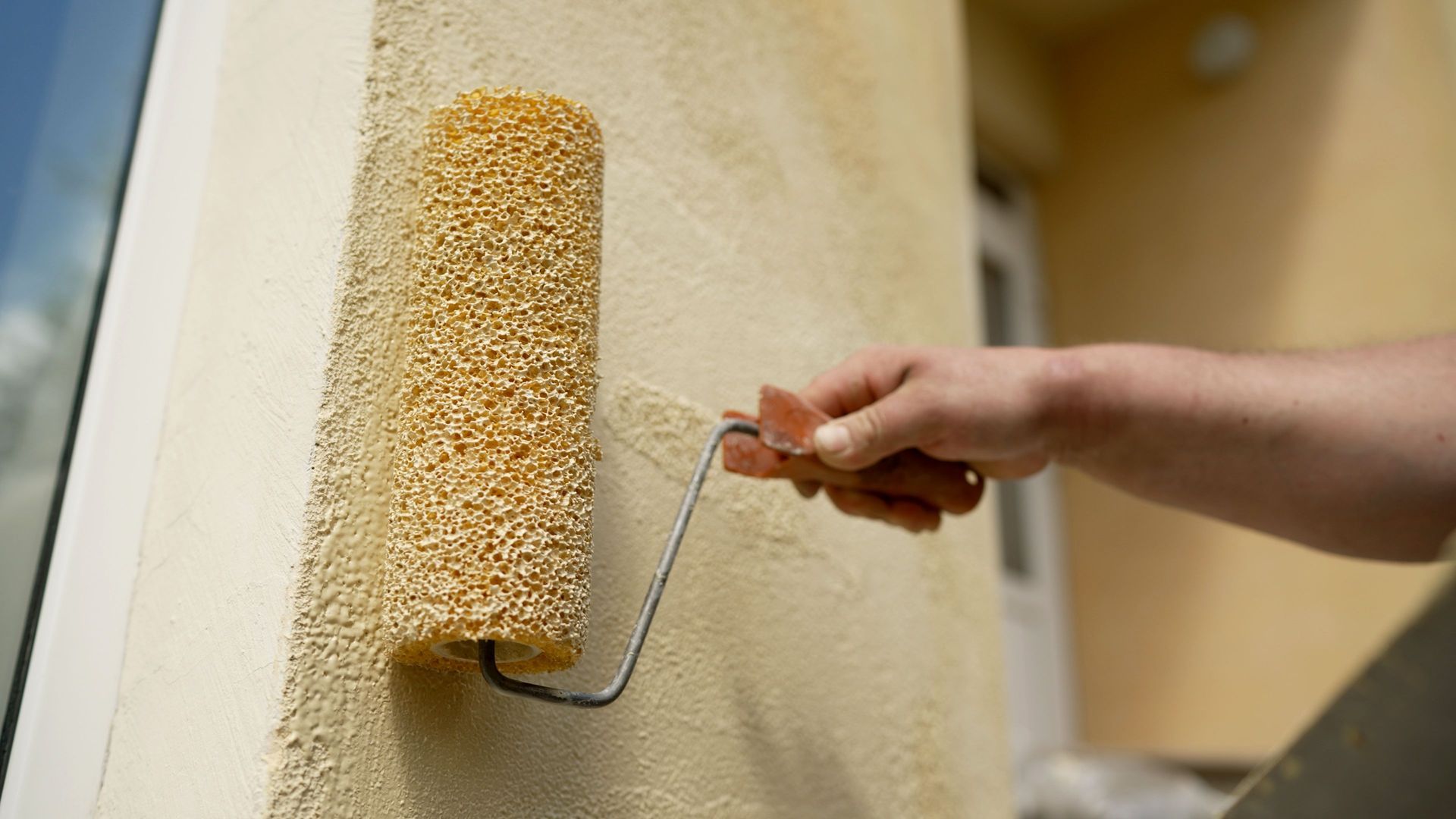
Another major cause of early paint failure is rushing through the preparation phase. Applying high-quality paint over a dirty, chalky, or decaying surface guarantees that the new layer will peel within a couple of seasons. Debris, mold spores, and old, loose paint layers prevent the new coating from bonding directly to the raw wood fibers.
Why is my exterior paint bubbling and peeling so fast?
This rapid failure occurs when the paint lacks a solid bond with the substrate, often because the wood was damp during application or the surface was not thoroughly cleaned and scraped. Proper preparation involves deep pressure washing to remove mold and grime, followed by extensive scraping and sanding of all loose edges. Additionally, raw wood must be treated with specialized primers that lock out moisture and provide a uniform surface for the topcoat to stick to.
→ From a professional standpoint: A durable paint job is eighty percent preparation work, and skipping the tedious scraping and priming steps will ruin even the most expensive materials.
Why DIY Paint Fixes Make Siding Issues Worse
When homeowners notice small areas of peeling paint, the temptation is often to grab a brush and apply a quick touch-up layer. However, tackling these issues without commercial-grade tools and trade knowledge usually accelerates the destruction of the wood. Patching over an active moisture problem traps the water deeper within the siding, leading to hidden wood rot that threatens the structural integrity of your home.
Furthermore, standard consumer equipment often fails to achieve the deep clean necessary for lasting adhesion. For example, improper pressure washing can gouge the wood or force water deep behind the siding laps, creating worse conditions than before. Without proper wood detailing and professional-grade gap filling, DIY attempts merely mask the damage while the underlying decay continues to spread.
→ From a professional standpoint: Layering new paint over a failing, unaddressed substrate creates a thick, brittle shell that traps rot and becomes twice as difficult to scrape off later.
A Durable Strategy for Hillsboro Homes
Fixing premature paint failure requires a systematic approach that respects local property conditions and material science. It starts with ensuring the wood is completely dry, utilizing moisture meters to verify that the siding is ready for coating. Every gap must be filled with high-grade, flexible caulking to prevent future water intrusion while allowing the house to expand and contract naturally.
Investing in a thorough restoration protects your siding from the elements and maintains your home value for years to come. By pairing detailed preparation with weather-resistant sealants, you can break the cycle of early paint failure and enjoy a clean, durable finish that withstands the challenging regional climate.
Secure Lasting Protection for Your Exterior Siding
Addressing peeling paint early saves your wood siding from expensive structural rot. The team at Western Accents Inc brings over a decade of local industry knowledge to ensure your home receives the precise preparation and durable coatings it needs to endure the elements. Reach out to our team today to schedule an expert inspection of your exterior siding and get an honest, professional plan for your property.
Share This Blog