Why Interior Light Alters Living Room Paint Colors in Beaverton
Western Accents Inc • November 17, 2026
Choosing an interior paint color from a small paper sample in a brightly lit home improvement store often leads to unexpected surprises once the product is applied to a large wall surface. Many homeowners apply a test swatch only to watch the color shift dramatically from morning to evening, sometimes leaning uncomfortably yellow or gray. These frustrating shifts occur because wall colors do not exist in isolation, they constantly react to natural sun angles, room orientation, and internal lighting fixtures.
At Western Accents Inc, our dedicated color consultants help property owners navigate the complex physics of light interaction before a single brush stroke lands. Our living room painting color consultation Beaverton services focus on evaluating how local environmental conditions and room orientation impact color perception throughout the day. Understanding how light reflects off interior surfaces helps you select a palette that maintains its beauty under all lighting conditions.
In this article:
- Understanding Light Reflectance Value and Room Orientation
- How Natural Daylight Cycles Change Paint Appearance
- The Impact of Artificial Bulbs on Interior Paint Pigments
- How Architectural Elements and Custom Trim Influence Color
- Selecting the Right Finish for Your Living Space
Understanding Light Reflectance Value and Room Orientation
Light Reflectance Value, or LRV, is a numerical scale running from zero to one hundred that measures the percentage of light a paint color reflects back into a room. A deep charcoal might have an LRV around eight, meaning it absorbs most surrounding light, while a bright off-white could sit near eighty-five, actively bouncing light across the space. Checking the LRV ratings on paint formulas helps homeowners predict whether a shade will brighten a dim room or wash out under direct sun.
Room direction plays an equally critical role in how color pigments perform on living room walls. North-facing rooms receive cool, blue-tinted natural light throughout the day, which can make cool grays or blues feel chilly and flat. Conversely, south-facing living spaces enjoy intense, warm sunlight that amplifies golden or creamy undertones, making warm shades appear much richer than they looked on the store display card.
How Natural Daylight Cycles Change Paint Appearance
If you wonder why a paint color looks different on your living room wall throughout the day, the answer comes down to shifting Kelvin temperatures in natural daylight. Early morning sunlight carries a low, warm color temperature that highlights red, yellow, and orange undertones in your wall paint. As the sun reaches its peak at mid-day, the light shifts to a crisp, high-Kelvin white that exposes true cool undertones, often bringing out subtle green or violet notes in gray paints.
By late afternoon, low-angle light introduces deep golden hues that can make soft green tones look khaki or turn cool whites beige. Testing paint swatches across large foam boards allows you to move the color around the room and observe it at breakfast, mid-afternoon, and late evening. This simple testing method prevents the disappointment of choosing a shade that looks perfect at noon but dull under evening shadows.
The Impact of Artificial Bulbs on Interior Paint Pigments
Once the sun sets, your living room wall color relies entirely on artificial light sources, which alter undertones depending on the bulb type selected. Soft white incandescent and LED bulbs around twenty-seven hundred Kelvin cast a warm, yellowish glow that complements red and beige paint choices but dulls cool blues and greens. Daylight LED bulbs rated above four thousand Kelvin emit a cool, stark light that preserves blue tones but can make warm cream walls appear washed out and clinical.
- Incandescent Lighting: Casts a heavy yellow tint that enhances warm earth tones while deadening cool blues.
- Soft White LEDs: Delivers a balanced, comfortable warmth ideal for traditional living room settings.
- Daylight LEDs: Mimics crisp noon light, making cool shades pop while stripping warmth from soft neutrals.
How Architectural Elements and Custom Trim Influence Color
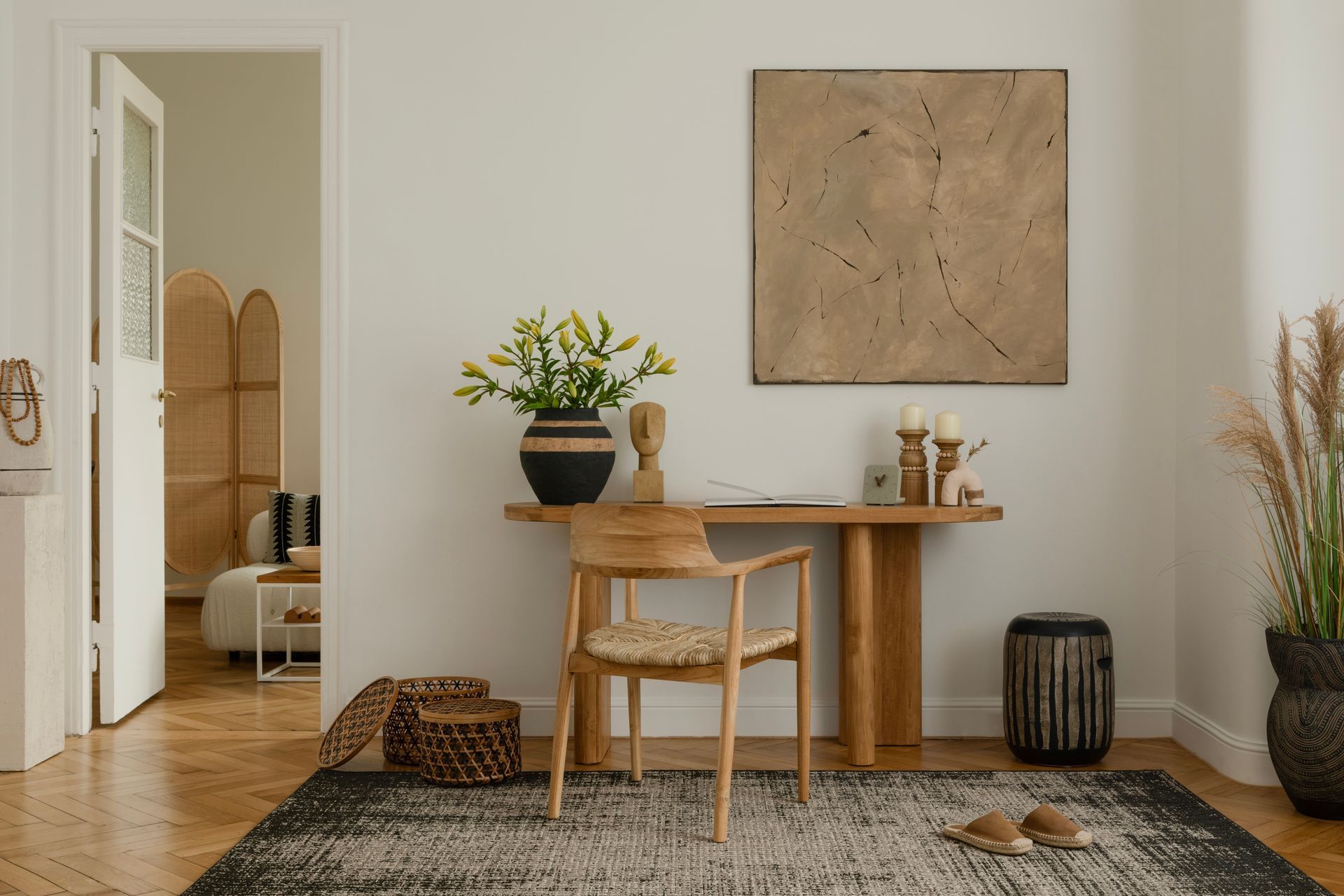
Interior paint colors do not operate in a vacuum, they interact directly with nearby architectural features, floor finishes, and custom carpentry elements. Deeply stained hardwood floors reflect warm amber light onto adjacent walls, altering how light neutral paints appear near the baseboards. Large window openings with viewable green lawn areas or dense tree canopies can also bounce heavy green light onto interior ceilings and surrounding drywall.
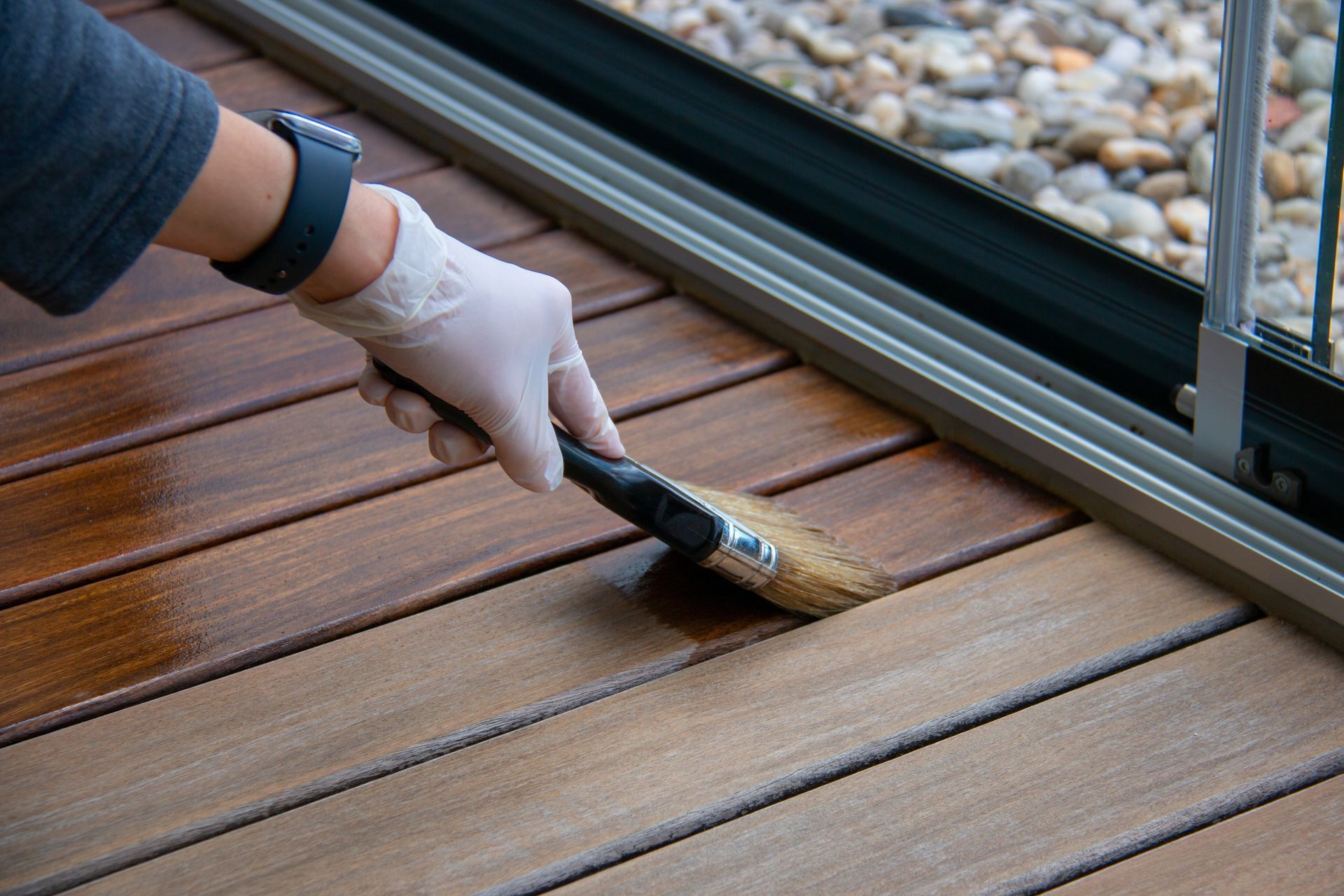
Applying crisp white or soft satin finishes to wood detailing, moldings, and door frames helps anchor wall colors and creates a clear visual boundary. Proper gap filling along trim edges ensures smooth transition lines, preventing shadows from breaking up the clean reflection of light across the room. Integrating wood staining on accent trim with curated wall colors adds depth and sophistication to any gathering space.
Achieve Perfect Harmony in Your Living Room
Selecting the right interior color palette requires looking beyond temporary design trends and understanding the technical behavior of light within your specific architecture. The experienced team at Western Accents Inc brings over fifteen years of industry knowledge, personal attention, and transcendent care to every residential project in Beaverton, OR. Connect with our color consultation specialists today to schedule an in-home evaluation and find the ideal palette for your living space.
Share This Blog